

A world that doesn't hold still
A continual learning system in one continuous life with no resets, in a world that changes without notice
Abstract. Most benchmarks for learning agents reset the world between episodes, announce the task, and keep the meaning of what the agent senses fixed. In the arena, a small creature lives one continuous life in a 2D world in which food appears, familiar food turns harmful and back, a sensor is damaged and obstacles appear, with no reward score, no labels and no announcement of any change. We connected our Continual Learning System (CLS), unchanged, to this creature. We score each life by its fitness: how consistently the creature keeps its energy above a danger line, from 0 to 1 (1 = never below it). The CLS-based agent reached a fitness of 0.87, the highest of every agent without privileged information, against 0.68 for a specialist steering rule and 0.57 for tuned online PPO, and was ahead on all five seeds. Replacing only the CLS's executive system with textbook Q-learning leaves the average unchanged (0.86), so most of the advantage lies in what the two share: the CLS's continuous perception and the connection we built to the world. The two executives differ in what they do with a change. When the familiar food turns harmful and back eight times in one life, the CLS revises its valuation after 31 of 35 restorations; Q-learning after 15.
Why this world
Our working hypothesis at Wakeline is that a learner's environment carries enough information for it to build, quickly, the structure it needs. In our language work the CLS finds objects in raw pixels and words in a raw sound stream, binds them, and uses them to act. In those worlds an object kind keeps its look and a word keeps its meaning.
Many environments change while a learner lives in them. Food sources run out and new ones appear, something that was safe becomes harmful, a sense degrades, the path is blocked. A learner in such a world gets no signal that something changed and no fresh start. It has to notice the change from its own experience, revise what it learned, and revise it again if the world changes back.
We built the arena to test this with a system that was not designed for it. The CLS was built for streams of market and energy data. We wanted to know whether it works in a body in a changing world without changes to its code.
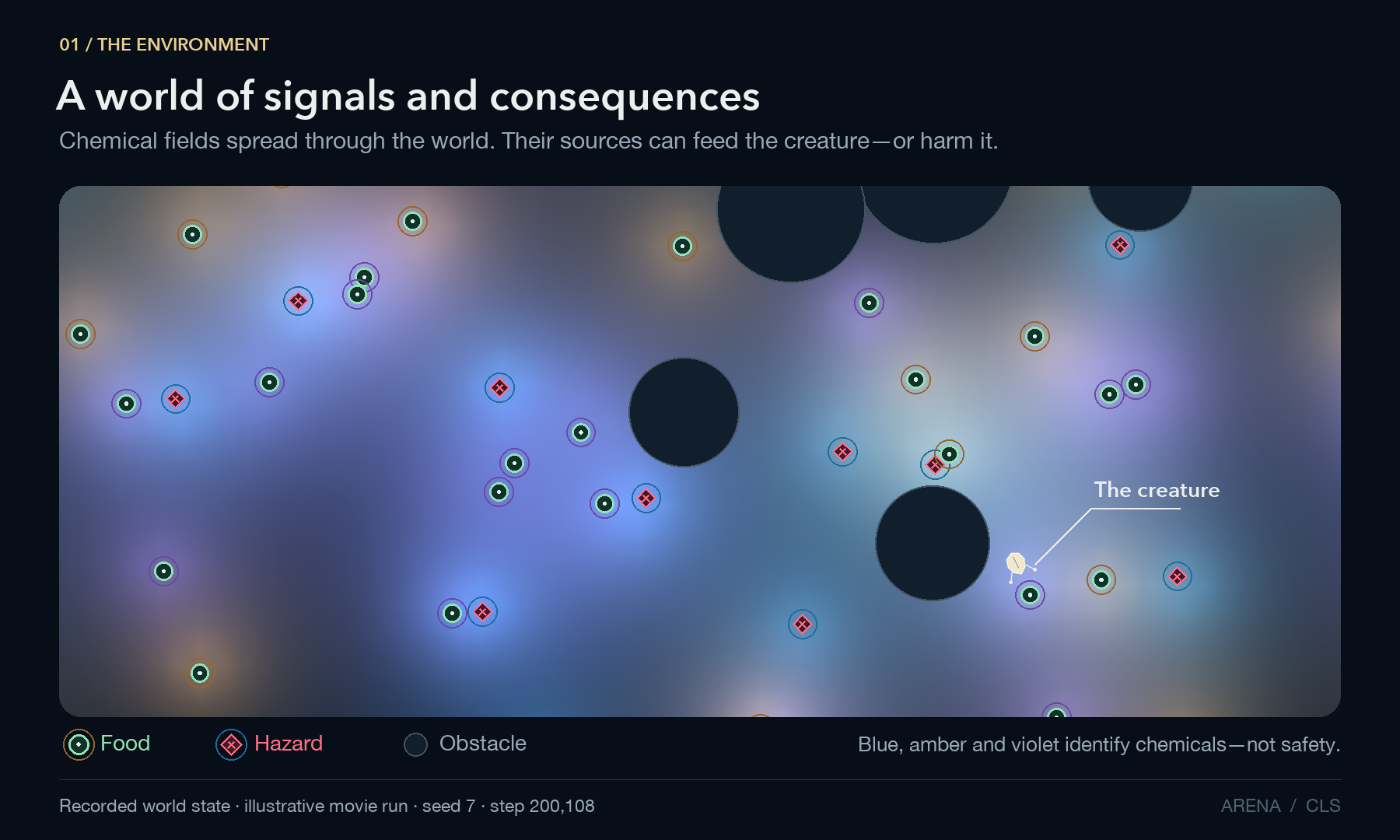 Figure 1: open the full-size image (1800 × 1080 pixels) in a new tab
The world
The creature moves across a continuous 2D surface with chemical signals, food, hazards and, in some phases, obstacles. Opposite edges connect, so the surface is a torus. It senses thirteen numbers: four chemical ("smell") channels on each side of its body, temperature on each side, contact, its own energy and its speed. It can move forward and turn. Eating raises its energy, touching a hazard lowers it, and every step costs a little.
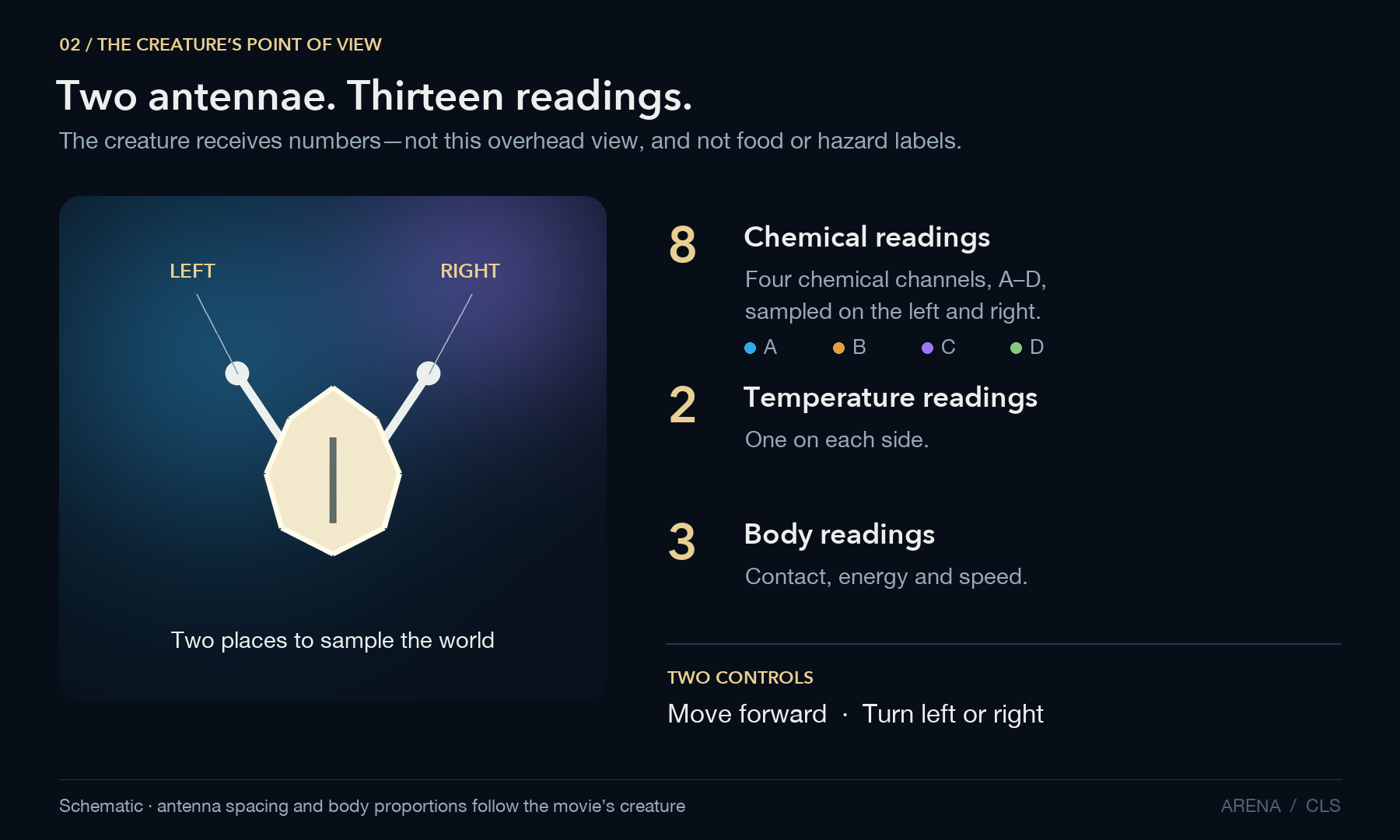 Figure 2: open the full-size image (1800 × 1080 pixels) in a new tab
The creature receives no reward score and no food or hazard labels. It learns from the stream of its own readings and from changes in its own sensed energy. Each run is one life, with no resets and no announcement when the world changes. Energy can fall to zero; death is disabled, so the creature keeps moving and can recover.
We use seven schedules. Each is one life of 100,000 steps, except "full", which lasts 300,000.
| Schedule | What changes |
|---|---|
| Stationary | Nothing. |
| Novel food | New food appears, with a smell the creature has never sensed. |
| Meaning flip | Familiar food becomes harmful and keeps its smell; new food appears elsewhere. |
| Sensor damage | The left smell sensors fall to 20 % sensitivity. |
| Obstacles | Twelve obstacles appear. |
| Full | The changes above in sequence, then the original sources, sensors and open space return. |
| Fast switching | The five conditions of "full" in 2,500-step phases, eight times over. |
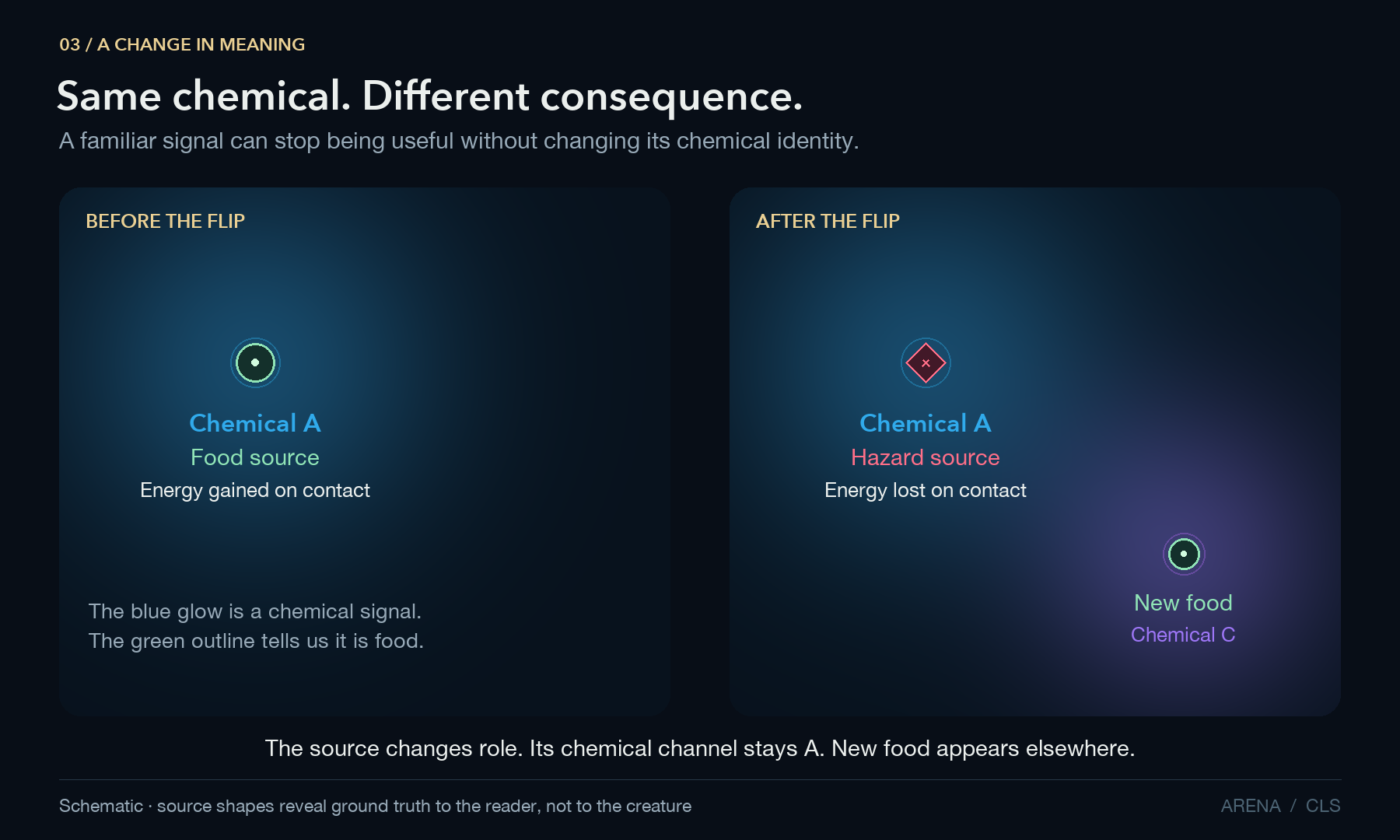 Figure 3: open the full-size image (1800 × 1080 pixels) in a new tab
When conditions return, the creature's life goes on: it keeps its position, energy and everything it has learned.
Fitness measures how consistently the creature keeps its energy out of danger. For each phase we take the share of steps with energy at or above 0.2, give it a floor of 0.01, and combine the phases by their geometric mean. A collapse in any one phase counts heavily. An agent that never drops below the line scores 1.0.
The agent: continuous perception and an executive
The CLS has two parts. Its continuous perception system learns the patterns in raw value streams and forecasts how each stream will continue. In the language work these streams are pixel brightness and sound; here they are the creature's thirteen readings. Its executive system learns, from the consequences of its own choices, which action is worth taking in which situation.
We wrote an adapter that connects the CLS to the creature. At every step it builds a short description of the situation from the perception's forecasts, such as on which side each smell is stronger and whether the creature is touching something. The executive sees only this description. The adapter turns the executive's choices into movement and passes on the change in energy as the learning signal. It also supplies two behaviors a newborn creature would plausibly have: a preference for moving toward stronger smells, and holding a turn while blocked by an obstacle.
| Learned in life | Given |
|---|---|
| How each of the thirteen readings will continue (continuous perception) | The body: thirteen readings, which of them are left and right of the same sense, forward motion and turning |
| A value for going straight, left or right in each situation, revised as outcomes come in (executive) | The description of the situation, designed by us for this world and built from the perception's forecasts |
| Which smells are food and which are harmful, and when that changes | The change in sensed energy as the learning signal |
| A fixed preference for moving toward stronger smells, which counts for less as learned values gather evidence | |
| Holding a turn while blocked | |
| For the CLS's executive: stronger learning from outcomes that differ from its expectation, and credit that reaches a few steps back |
Not given: a reward score, labels for food or hazards, a map, resets, or any notice that the world has changed. No CLS code was changed for this domain.
The competitors
- A fixed steering rule (Braitenberg-style chemotaxis): turn toward stronger smells.
- An adaptive steering rule: the same, with one learned "good or bad" value per smell and compensation for sensor imbalance. A strong, simple specialist for this kind of world.
- Online reinforcement learning: PPO and SAC learning from birth within the one life, from the same energy signal, at library defaults and with settings chosen by a fixed-budget search on separate development seeds.
- A privileged oracle: told which smells mean food or hazard, with sensor damage corrected. It serves as a reference ceiling.
- Random actions.
Every agent lived the same seven schedules on the same five seeds. A seed fixes the starting conditions and the simulation is deterministic, so lives can be compared in pairs across agents.
Finding 1: the CLS carries over
With no change to its code, the CLS-based agent reached the highest fitness of every agent without privileged information.
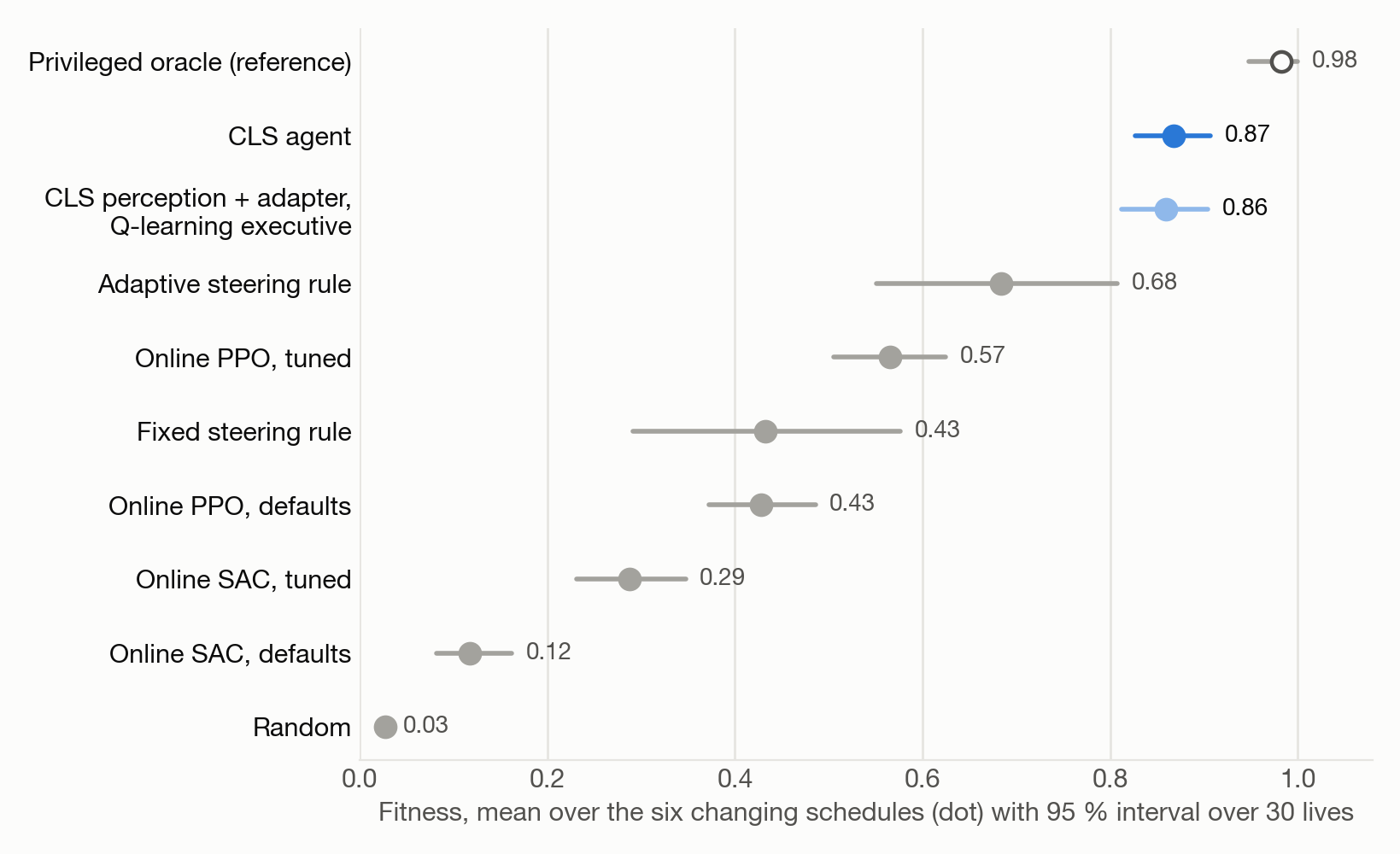 Figure 4: open the full-size image (1639 × 1000 pixels) in a new tab
Paired life by life, the CLS agent is ahead of each of the three strongest outside competitors on all five seeds. Against the same perception and adapter with Q-learning as the executive, the difference is close to zero (Finding 2).
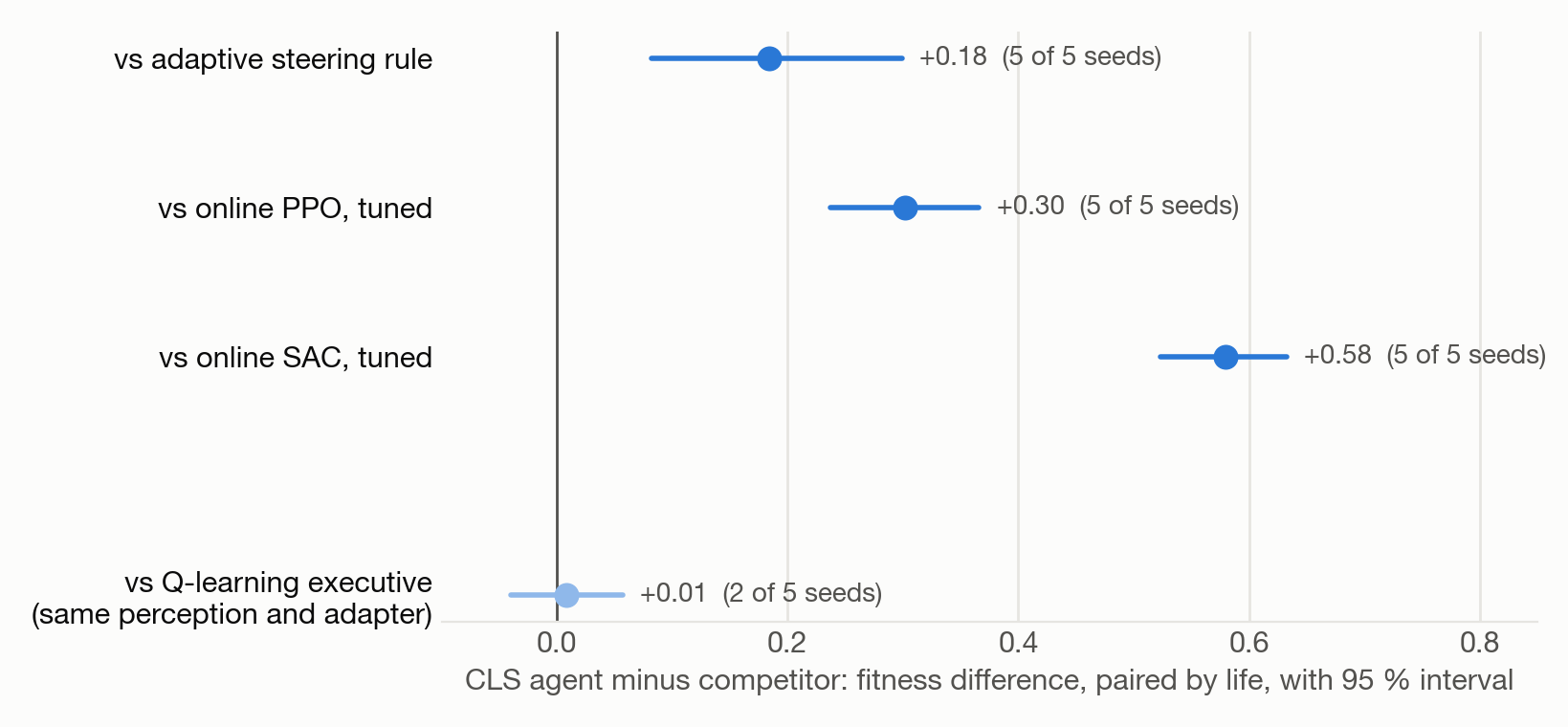 Figure 5: open the full-size image (1639 × 760 pixels) in a new tab
Tuning improved PPO by +0.14 and SAC by +0.17 over their defaults. A single changing life of 100,000 to 300,000 steps with a small per-step signal is a hard setting for them, and the comparison applies to this setting only.
The largest differences between agents appear under fast switching, where the familiar food turns harmful eight times and back seven times in one life. The CLS agent scores 0.80 there. The adaptive steering rule, at 0.99 on a single permanent flip, falls to 0.02: it learns that a smell is bad and never revisits that judgment when the food comes back. On the single flip the steering rule is ahead of the CLS agent (0.99 against 0.85); under fast switching the CLS agent is ahead (0.80 against 0.02).
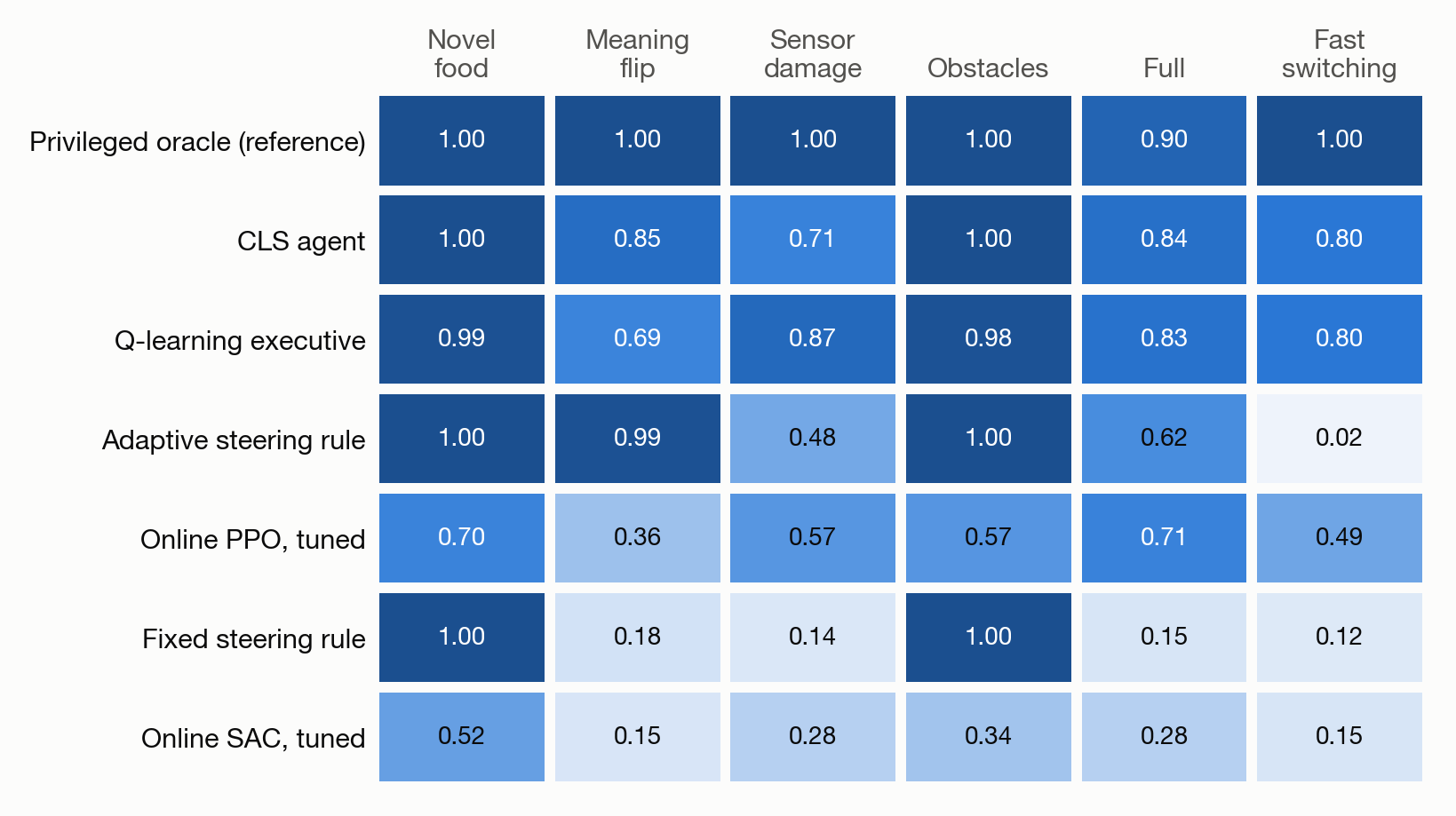 Figure 6: open the full-size image (1639 × 919 pixels) in a new tab
Finding 2: the executive can be swapped
To see which part carries the result, we replaced only the CLS's executive with textbook tabular Q-learning (immediate reward, library defaults, no tuning) and kept everything else: the CLS's continuous perception, the adapter, the energy signal and the two built-in behaviors.
On average the two are level: 0.868 with the CLS's executive and 0.860 with Q-learning, a difference of +0.008 [−0.04, +0.06]. Q-learning in this place also beats the adaptive steering rule by +0.18. Without the CLS executive's stronger learning from surprising outcomes, the CLS is slightly behind Q-learning (−0.04, within noise). Most of the advantage over the outside competitors therefore lies in what the two agents share: the CLS's continuous perception and the adapter built around it. The same Q-learner without the adapter's two built-in behaviors and with a simpler connection to the energy signal scored 0.68.
The executive affects the results per schedule. On every one of the five seeds, the CLS's executive is ahead after a single permanent flip and Q-learning is ahead under sensor damage:
| Schedule | CLS executive | Q-learning executive |
|---|---|---|
| Single, permanent flip | 0.85 | 0.69 |
| Sensor damage | 0.71 | 0.87 |
| Fast switching | 0.80 | 0.80 |
Finding 3: what the CLS executive does with a change
Fast switching is the schedule in which the meaning of the familiar smell changes most often. We replayed those lives for both executives and recorded, in each of the forty hazard phases (eight per seed), how the agent valued turning toward the familiar smell, how often it did so, and how much of the phase it spent out of danger.
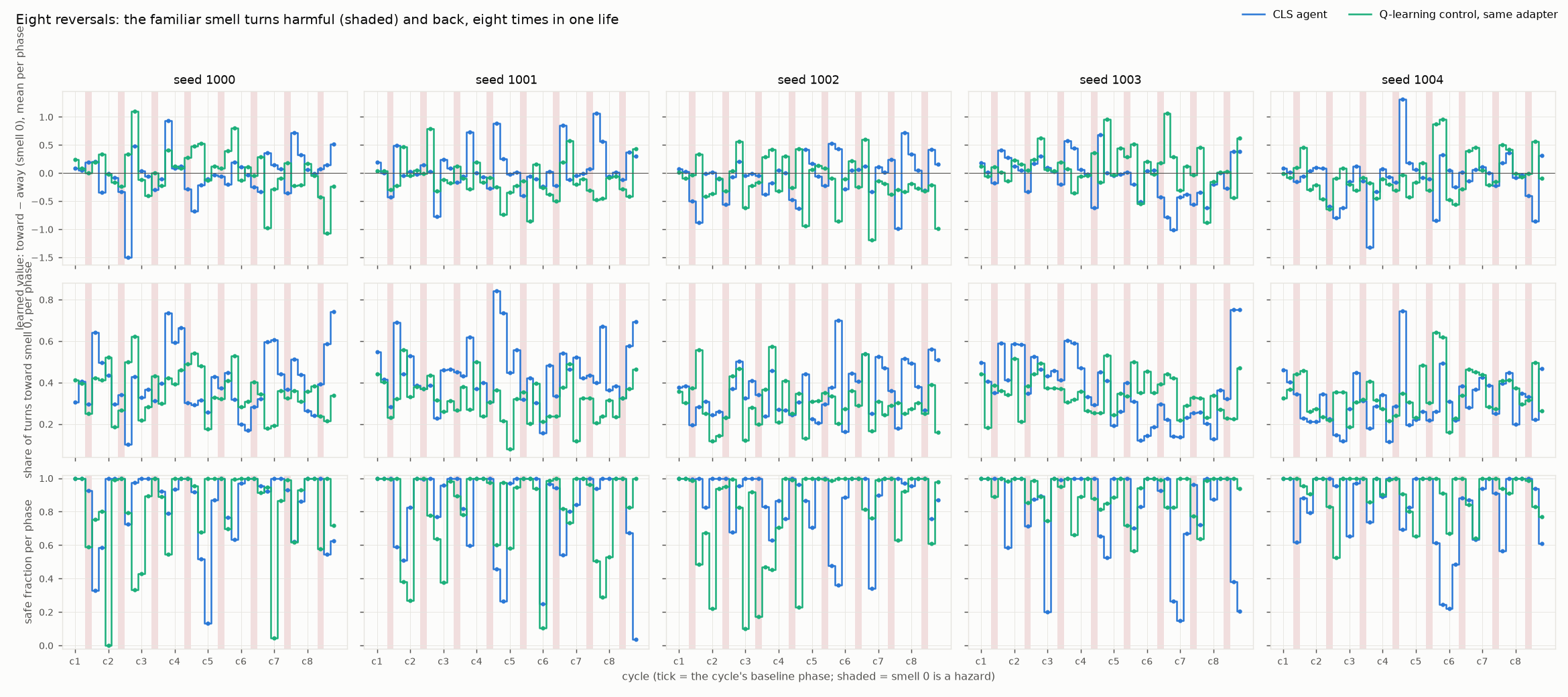 Figure 7: open the full-size image (2340 × 1040 pixels) in a new tab
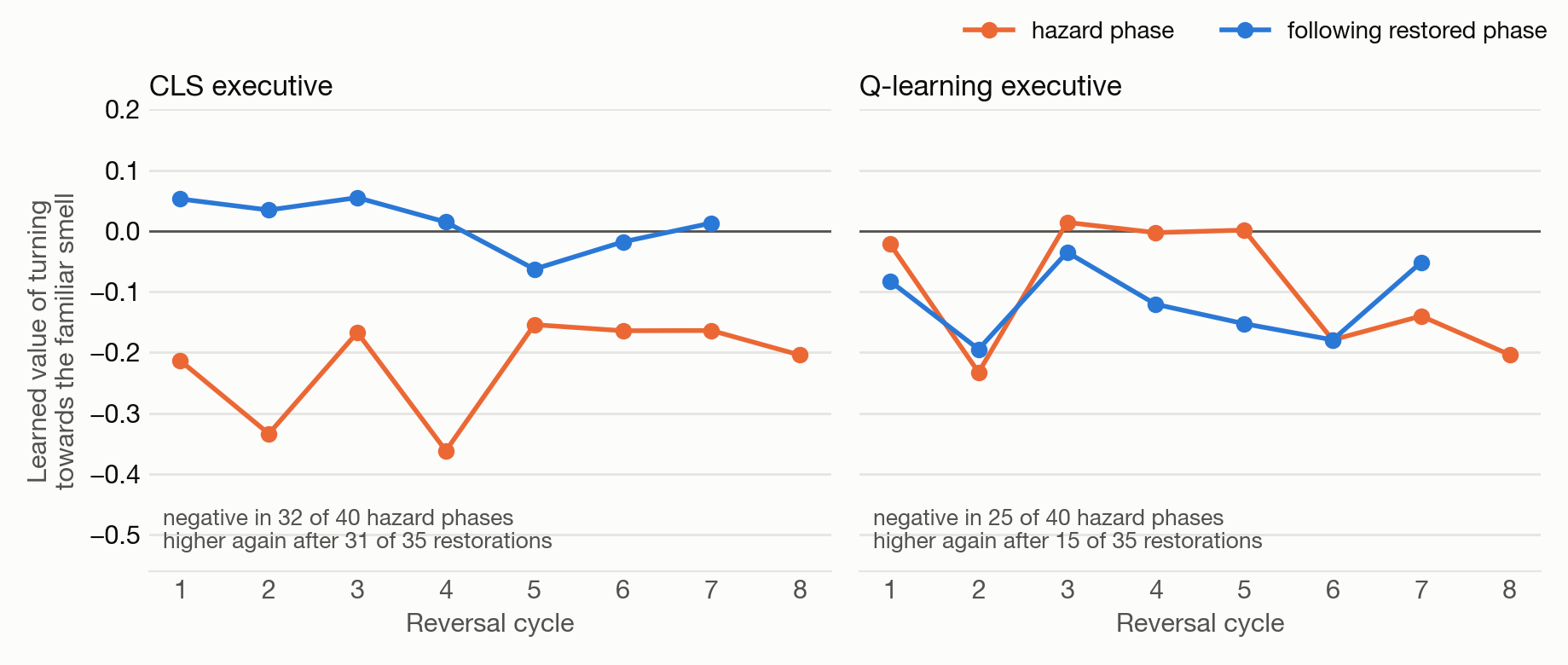 Figure 8: open the full-size image (1839 × 780 pixels) in a new tab
Share of each phase spent out of danger, hazard and restored phases: 0.97 and 0.83 for the CLS executive, 0.92 and 0.75 for Q-learning.
- Valuation. The CLS's valuation turns negative in 32 of the 40 hazard phases and recovers in 31 of the 35 restorations, through all eight cycles, with no loss of safety from early to late cycles. It commits more strongly during a hazard phase than Q-learning does, and still lets go when the food returns. Q-learning learns "harmful" but mostly keeps it: its valuation stays negative after most restorations and deepens over the cycles.
- Behavior. How often either agent turns toward the smell changes little between food and hazard phases. Approach comes mostly from the built-in smell preference; learning changes avoidance and how often the creature touches the hazard.
- Speed of relearning. Later reversals are not learned faster than earlier ones; our pre-registered measure of this is zero. We find no sign that the CLS uses the earlier cycles when it adapts to the current meaning of the smell.
Fitness also counts the life's other phases (new food, sensor damage, obstacles), and over the whole fast-switching life the two executives score the same, 0.80. A possible reason the CLS recovers where Q-learning does not, which we have not tested: the CLS keeps approaching the familiar smell now and then after a restoration, so it soon finds out the smell means food again. Q-learning, having learned to avoid it, rarely gets that experience.
Scope
- Five seeds, one world generator, one platform. With seed as the unit, every headline effect keeps its direction and size. Significance tests over five seeds have little power, so we report effect sizes with their intervals.
- A world close to the agent's design. Smells, energy and changing conditions suit the agent. Changes the design did not anticipate, such as altered consequences of actions, delayed effects or misleading cues, are untested.
- A bounded comparison with reinforcement learning. Online PPO and SAC with small networks and a modest tuning budget. Recurrent, model-based and pretrained agents were not tested.
- A description designed by us. The description of the situation that the executive sees was written for this world. Whether a learner can build a comparable one from the raw readings is untested.
- Development and evaluation. The five evaluation batches were pre-registered and sealed before each ran. Later batches were designed with knowledge of earlier results, so there is no single untouched final test set.
What we take from it
The CLS ran unchanged in a world it was not built for, and the agent built on it held up against a specialist for this world and against tuned reinforcement learning. Most of that comes from its continuous perception and the adapter around it: a textbook executive in the same place reaches the same average. The CLS's own executive differs from Q-learning in how it revises: after a restoration it drops a learned danger, while Q-learning mostly keeps it.
The arena is one of three worlds in our current work. In the language work the same kind of continuous perception finds objects and words in raw signals. In ongoing work, one agent moves between these worlds and ARC-AGI-3 games within a single life, and the arena creature is the part of it that copes with a world that changes. We will report on that agent separately.
Methods note. Each of the five evaluation batches was pre-registered and sealed: hashes of all sources, configurations and package versions were recorded before it ran. Lives were paired across agents by seed (seeds 1000–1004); contrasts used paired sign-flip permutation tests with Holm correction and 95 % bootstrap intervals over lives. Full analyses and per-agent tables are available on request.
This report describes internal research results. It makes no claim about products or their performance.
Related articles
Language as a second view of a learned world
A continual learning system that learns objects, words and their use from raw pixel and sound streams
Learning to follow commands from demonstrations
A continual learning system on gSCAN and ReaSCAN, without pretraining or gradient descent
Learning while the world changes
See how Wakeline’s CLS learns from traffic delays, then learns to act on forecasts, using learning mechanisms carried across domains.

Investment Opportunities
We are currently engaging with investors and strategic partners interested in long-term technological impact grounded in scientific discipline.
Wakeline represents a fundamentally different approach to artificial intelligence, prioritizing continuous adaptation, reduced compute dependence, and real industrial application.
Conversations focus on collaboration, evidence building, and shared ambition.